Written by Jordan Michelman.
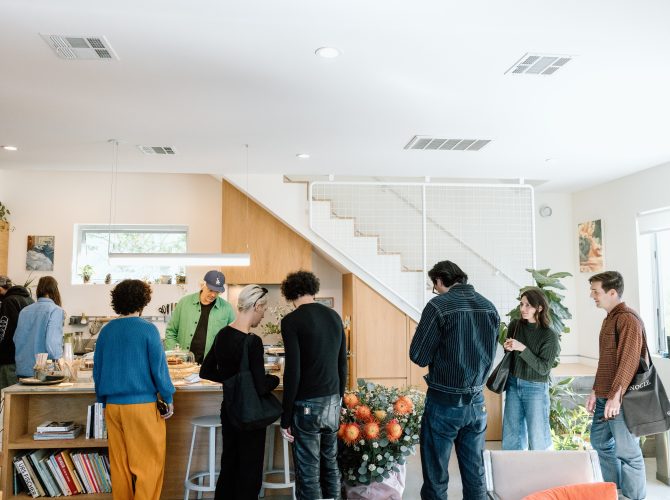
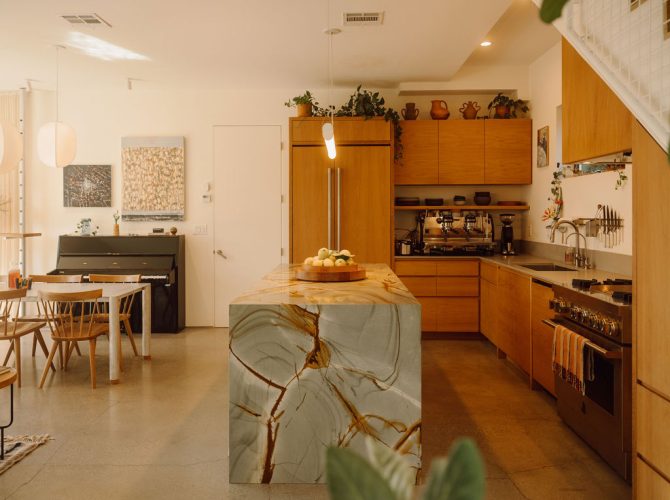
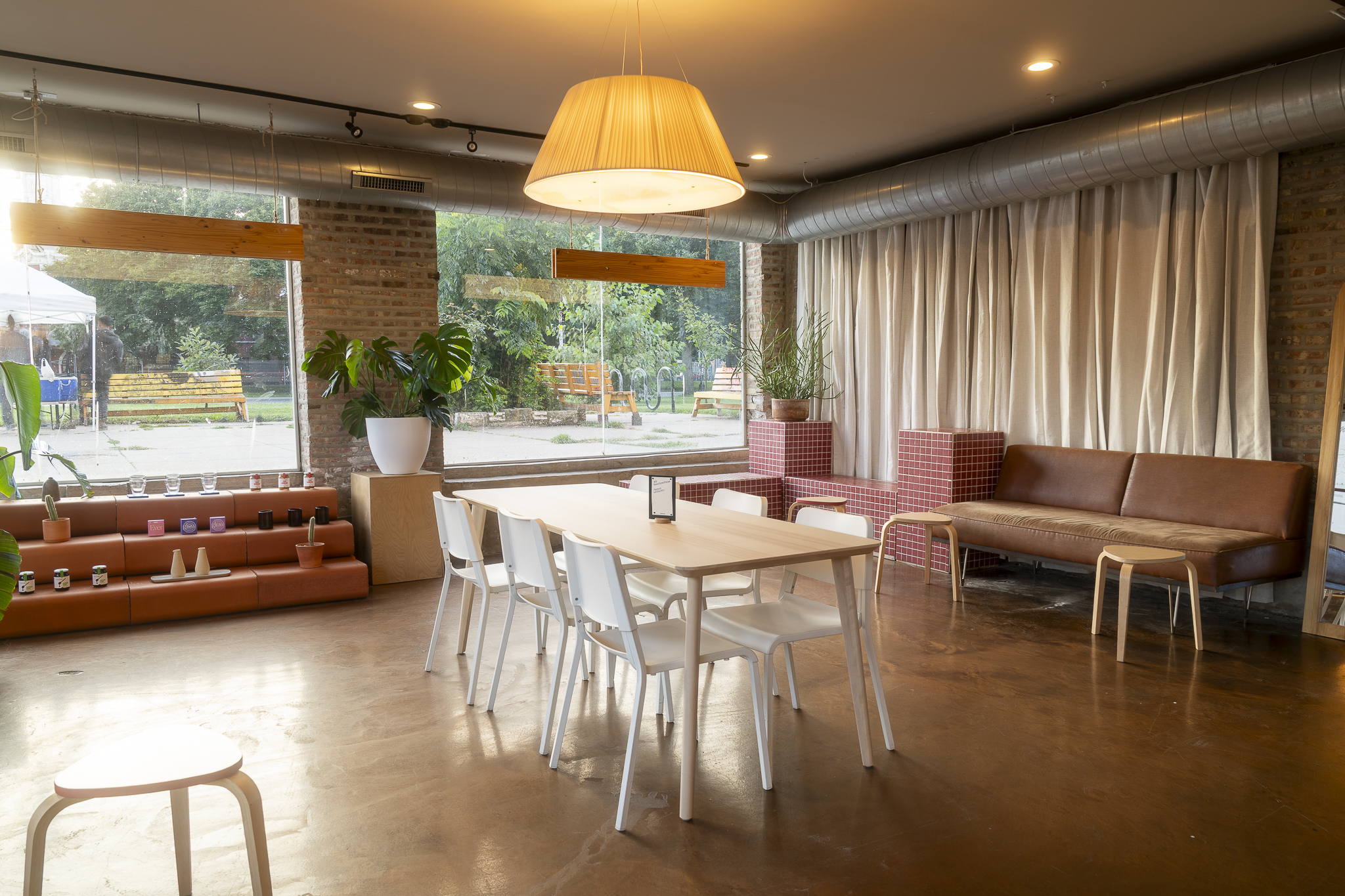
Chicago is home to a thriving independent coffee scene (this isn’t news), but a newer player in the city is Bueno Days, a cafe proudly centered around Mexican heritage from founders Alma Blancarte-Mora and Cristobal Mora. After a series of successful pop-ups and a collaborative lease arrangement, the cafe fully took over its own space in 2025 on Cermak Road, in Chicago’s Little Village neighborhood.
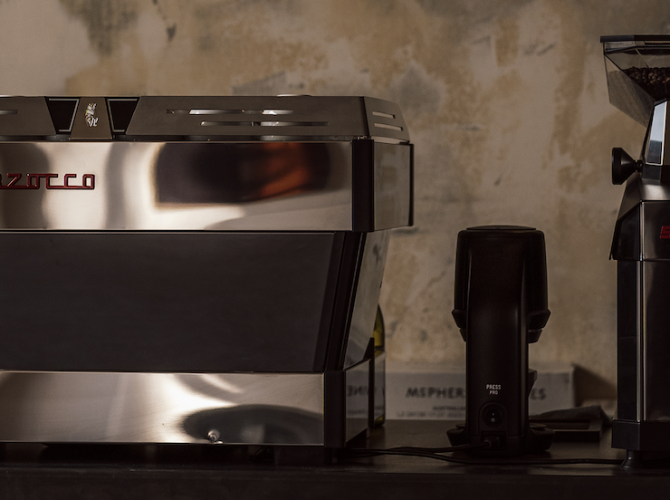
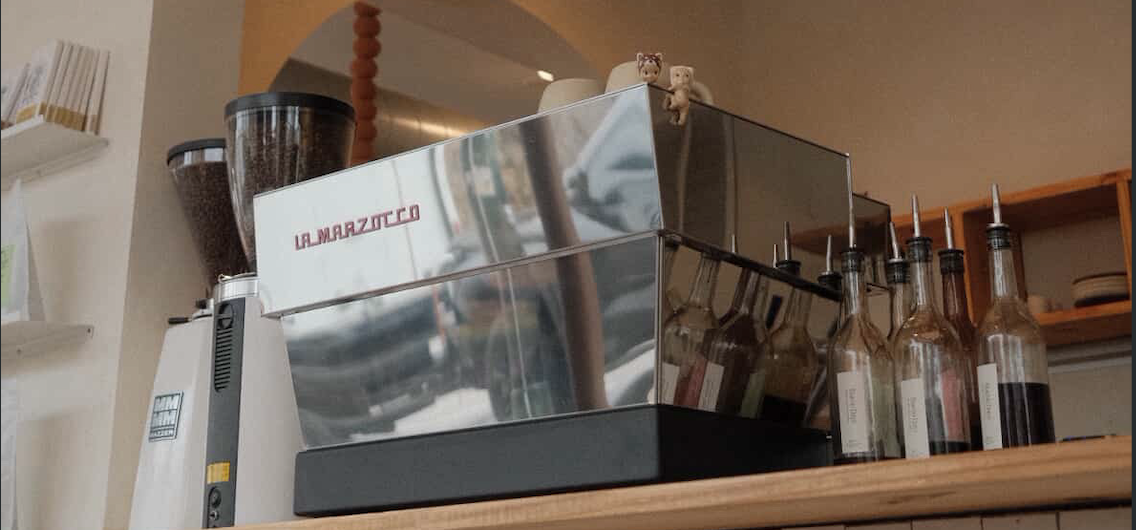
This next step necessitated a step forward in equipment, which led the team at Bueno Days to move from a La Marzocco Linea Mini to a two-group Linea Classic espresso machine. “It’s a huge upgrade for us,” says co-founder Critstobal Mora, and a “game-changer”—though it has led to an uptick in selfies. I spoke with Cristobal digitally from his home in Chicago about making the move to a Linea Classic, and about how dualities in heritage and culture are woven throughout the experience at Bueno Days, even right down to the name.
Hi Cristobal, and thank you so much for talking with me. Let’s start at the start—how did you get started working in coffee, and what’s the story behind the founding of Bueno Days?
Bueno Days really started with Alma and me wandering around Chicago as high school kids. We were inspired by traveling beyond our neighborhood. The food, the culture, and the small creative pockets had us feeling like tourists in our own city. We always talked about starting something that lived in that in-between space: part business, part passion project, and dedicated to people who understand the pursuit of creating something beautiful and meaningful.
During the pandemic, we started building the brand. We wanted something that spoke to Chicagoans who were proud of our roots but also shaped by growing up in a diverse city with a blended identity. The name is “technically” wrong. That’s intentional. Being Mexican-American means speaking Spanglish without apologizing for it. Our whole thing is that duality is beautiful. Calling it Bueno Days is our way of embracing both sides at once.
Bueno Days was born in 2021. We spent over a year doing pop-ups, which led to signing a collaborative lease with friends in 2023. Then in 2025, we took over the full space as it exists today.
You refer to yourself online as a “coffee experience company”—what does that mean?
For us, it means nothing is accidental. Everything has layers: the menu, the merch, the collaborations, the tasting menus. You can just enjoy a good drink, or you can discover the story behind it.
We leave breadcrumbs everywhere: references to nostalgia, identity, art, culture. Our duality is Mexican-American, but what we’ve learned is that everyone carries some form of duality. The idea that duality is beautiful runs through everything we create.
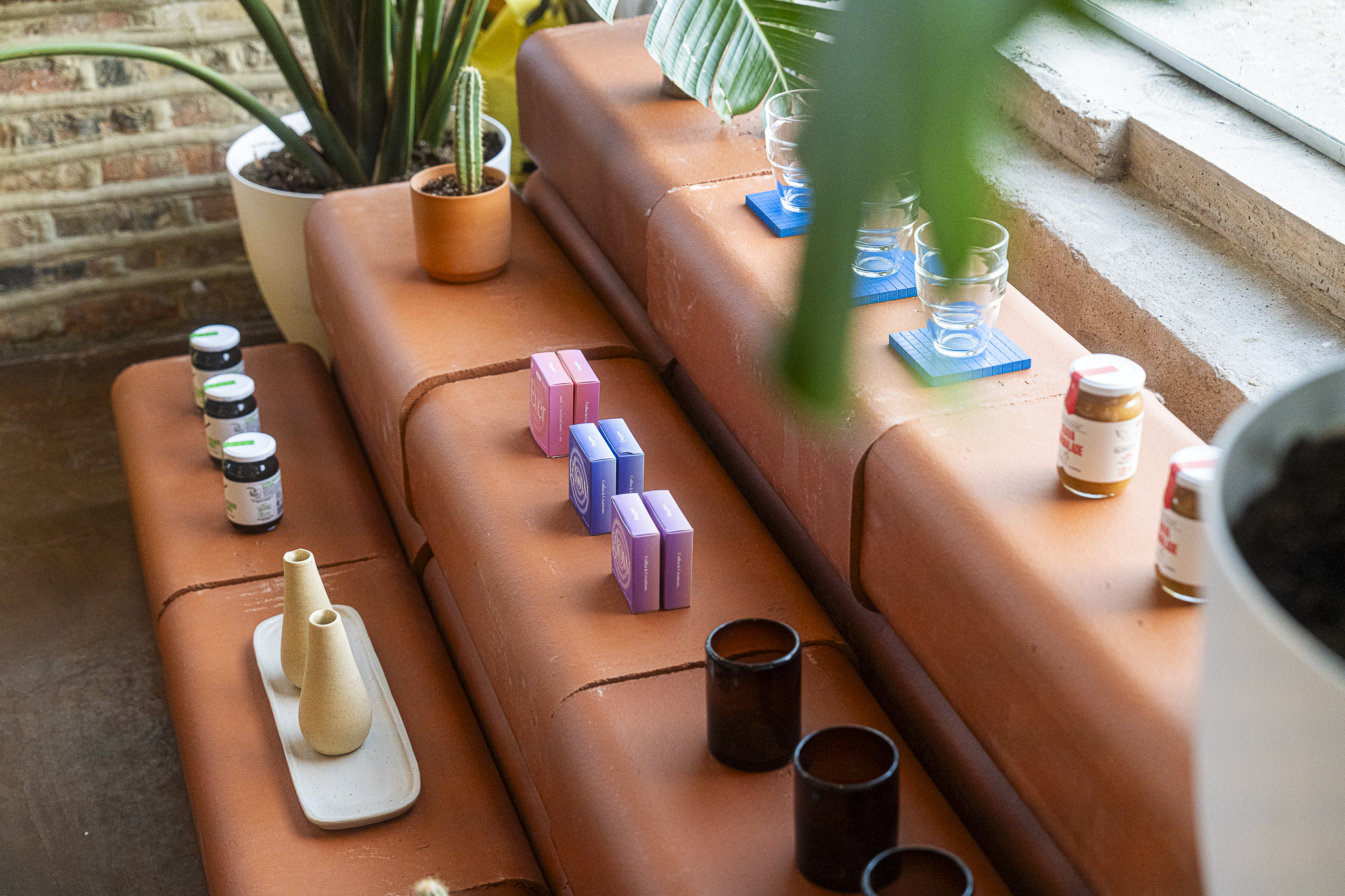
Signature drinks are a huge part of your program. How does your team develop these drinks?
Flavor is one of our biggest creative engines, and Alma is the genius behind that world. We build from nostalgia and curiosity, mixing what we grew up with and what we’re exploring now. Sometimes it’s a childhood flavor you haven’t tasted in years. Sometimes it’s something we discovered while traveling, or an ingredient that showed up in our kitchen at home. We frame it as flavor storytelling. Familiar, but surprising.
The best reaction is when someone says, “I’ve never had anything like this,” or when a drink snaps them right back to memories with their family in Mexico.
That’s the fuel.
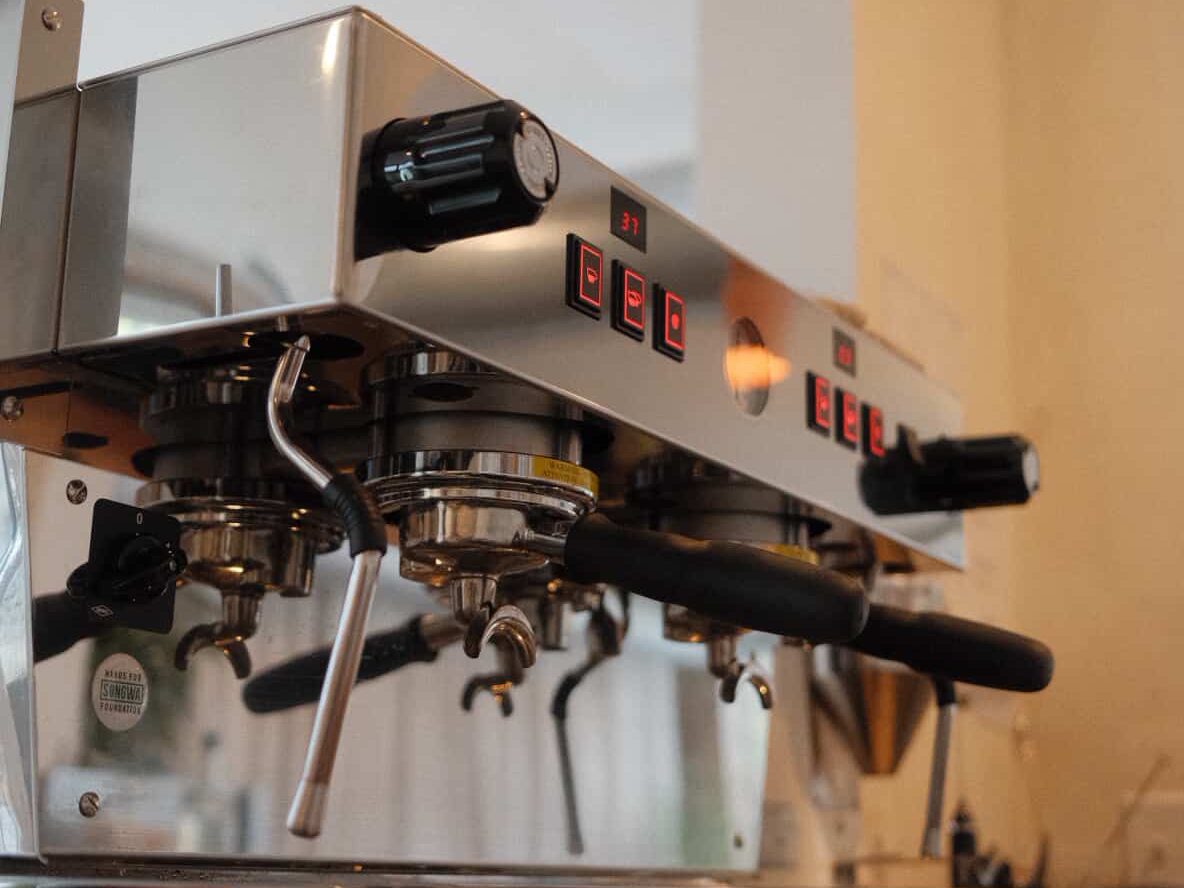
You recently switched from a Linea Mini to a two-group La Marzocco Linea Classic. Tell me more about making that switch, and how it’s going so far.
It’s a huge upgrade for us. We bootstrapped the business and refused to take on significant debt, so starting with a Linea Mini forced us to be clever. An espresso-based menu wasn’t sustainable for our workflow back then, so we designed a menu and a bar flow that leaned into interesting cold drinks. It was partly for practical reasons and partly as a creative brief.
Moving to the two-group has been a game-changer. The team adapted instantly. And honestly… it’s so shiny that people use it as a selfie mirror, which cracks us up. But beyond that, it’s been a marker of growth and a level-up from the pop-up days. People come in just to see the machine, which is wild and really sweet.
Your merch features the phrase “Made Possible By Immigrants”, and you donate a portion of the proceeds to immigrant rights groups. Tell us about the campaign and the response to it so far.
This one is personal and public at the same time. In a country full of noise, propaganda, and fear-mongering, this message is just a simple truth: this country is made possible by immigrants. On the back of the shirt, we list a “menu of humanity,” things that cost nothing and restore everything. That’s always been our tone.
The whole thing actually started as a poster project in the shop that anyone could fill in:
“____________ was made possible by immigrants.”
People filled it with everything from “my childhood” to “my parents” to “food.” It resonated, so we turned it into merch. Sometimes you have to wear your heart on your sleeve. The donations we make are a tiny fraction of what’s needed, but we’ve been reminded that small, consistent contributions add up. People have shown up for it.
Visit Bueno Days at their website and on Instagram.