Written by Jordan Michelman.
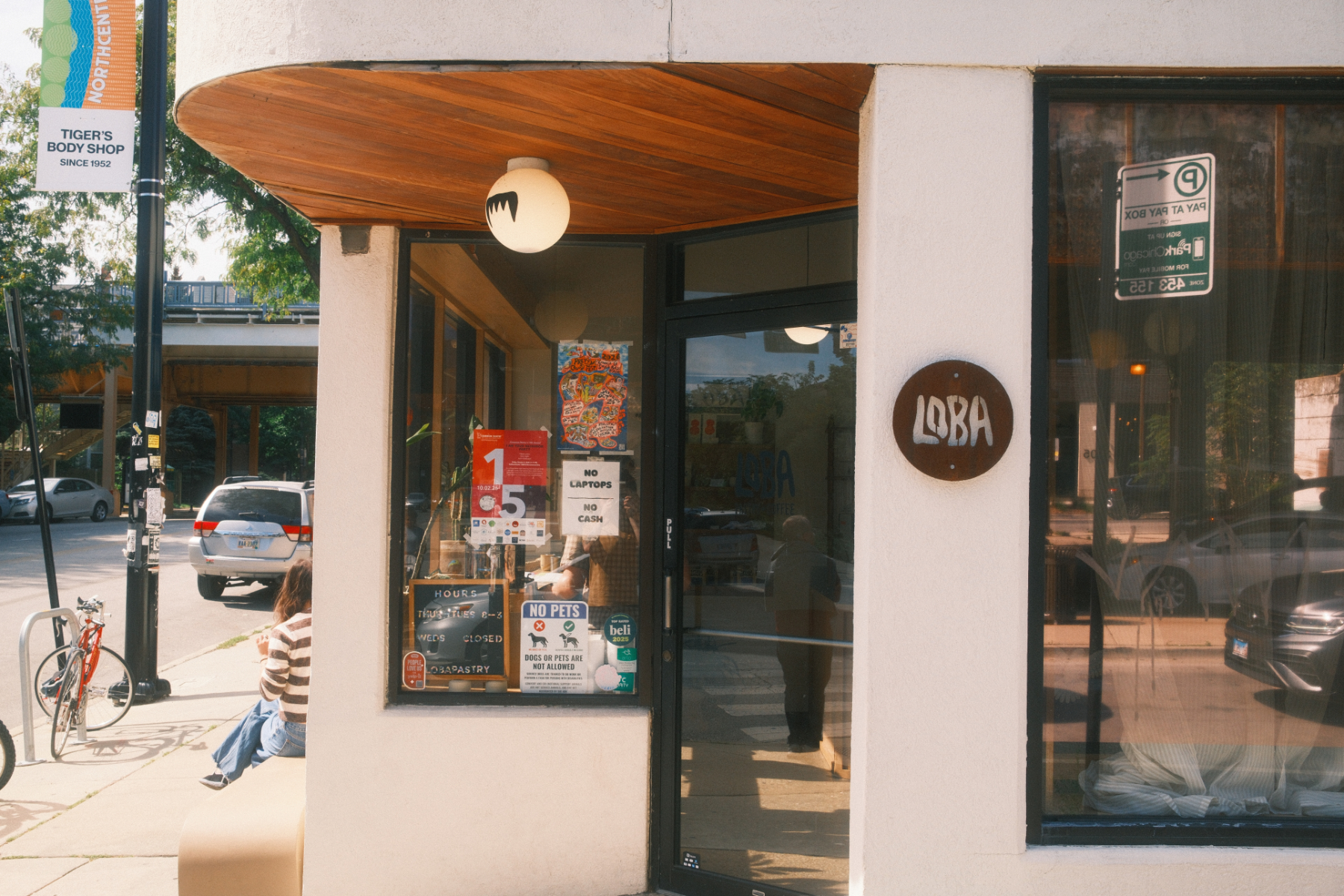
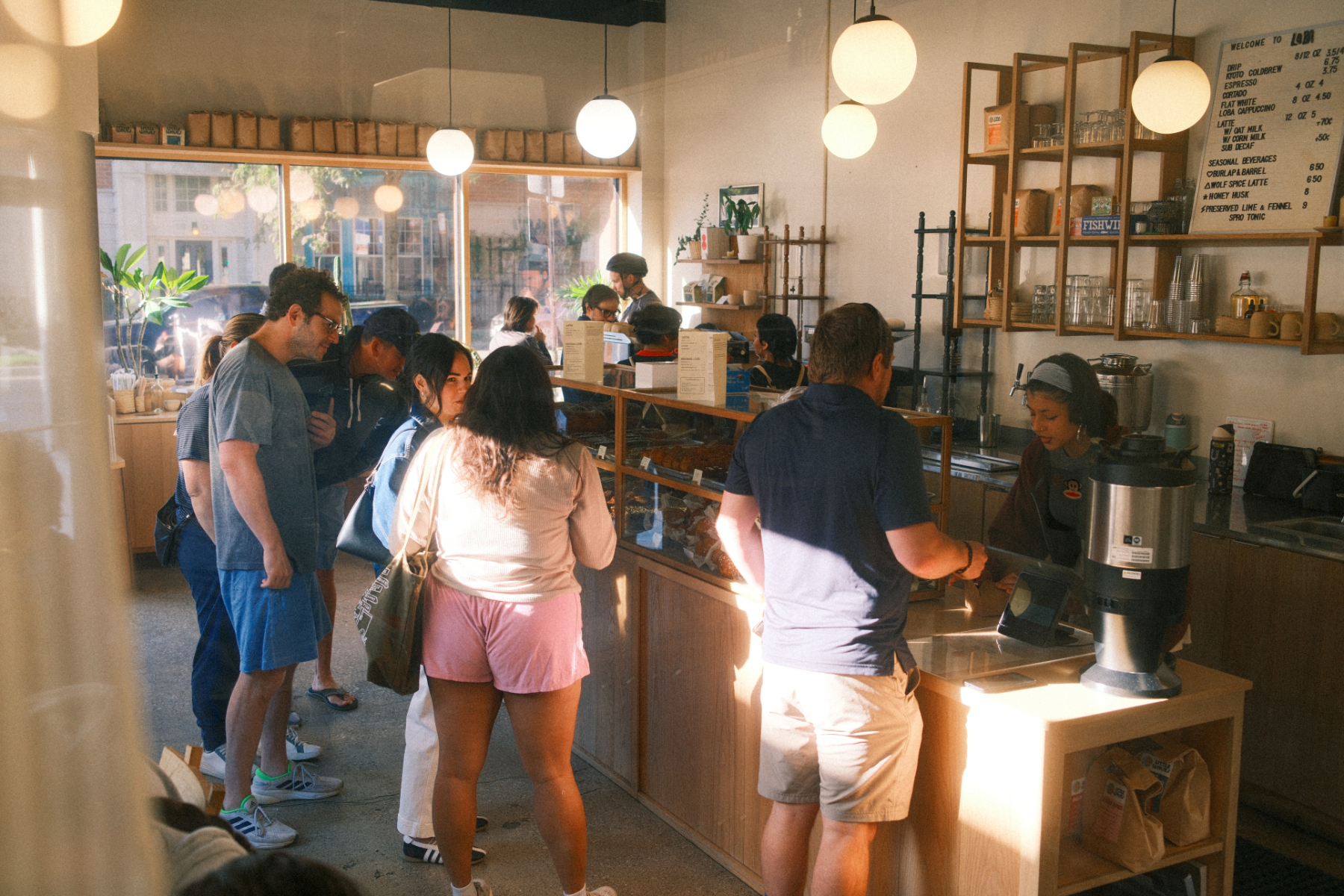
One of the best coffee and pastry experiences in America can be found beneath the Addison stop of the Brown Line train in Chicago. At Loba, Guadalajara-born owner-baker Valeria Soccoro has fused French pastry traditions with the flavors of Mexico, arriving at a distinctly unique set of flavors and expressions: think green chorizo mole croissants, esquite biscuits with smoked paprika and cojita, and white chocolate curry scones. Nominated for a James Beard Award for Outstanding Bakery in 2024 and regularly lauded by both local and national press, there’s a reason why a line forms outside the door of Loba most mornings—and especially on Saturdays and Sundays, where it becomes a serious destination for pastry seekers across the city.
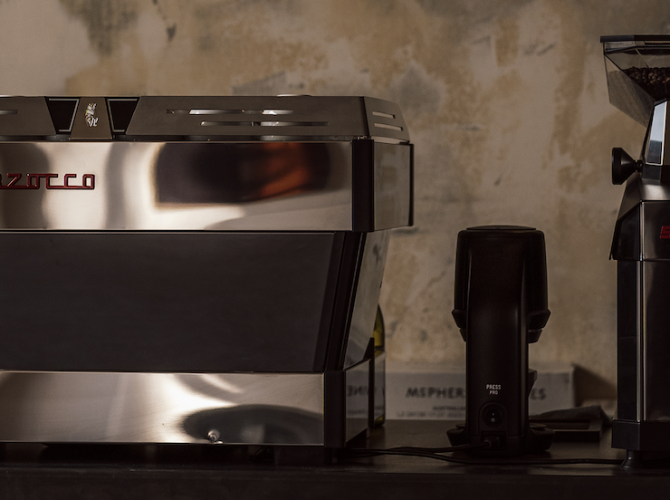
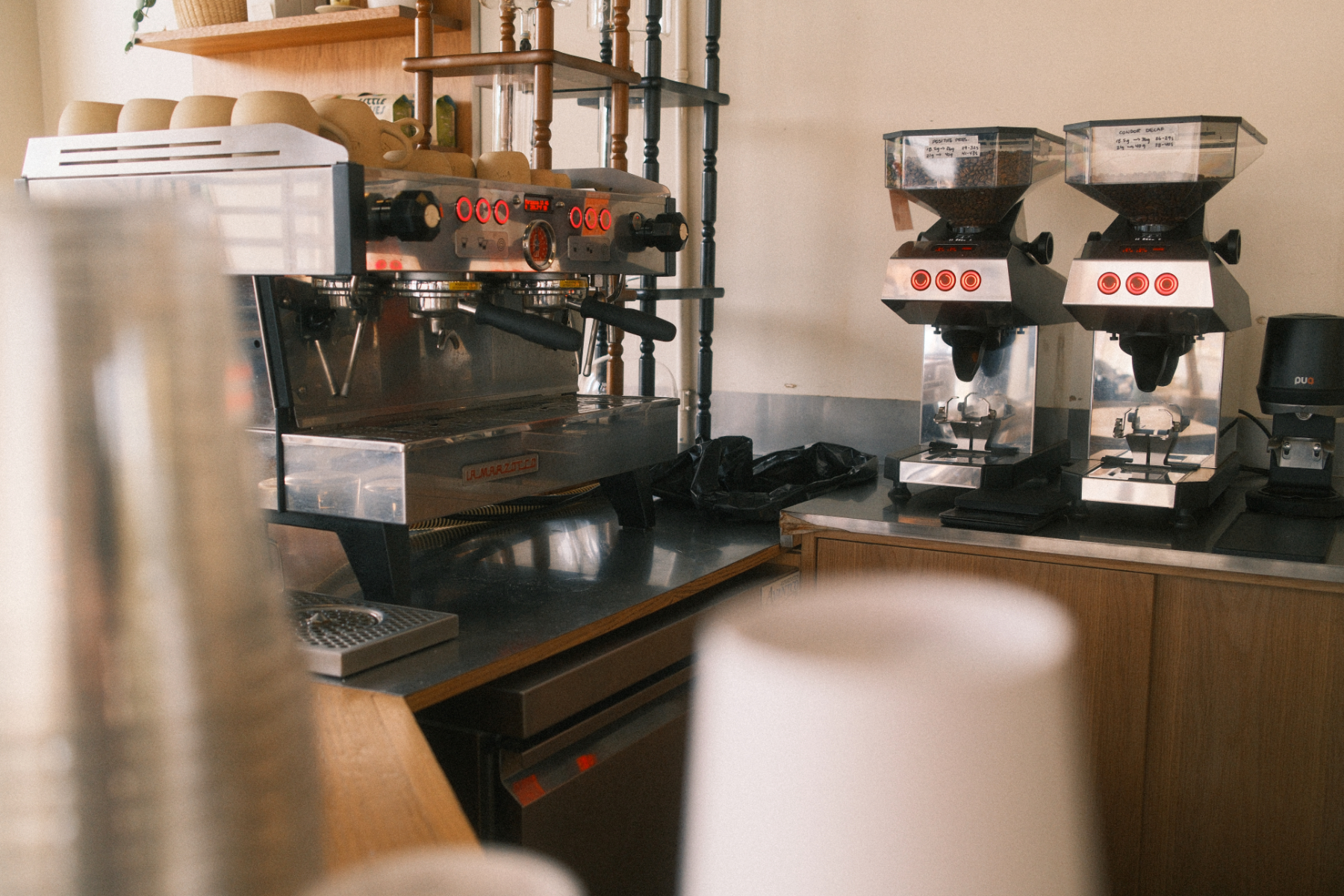
But the not-so-secret weapon here is the coffee. Loba’s program is built around a La Marzocco Linea PB 3-group, and overseen by Asia Vo, who has helped integrate the coffee service alongside Val Soccoro’s small culinary team. On every visit I’ve been impressed by Loba’s unique and distinct signature drinks—think a hoja santa and sasparilla iced latte, or espresso floated atop Coca-Cola with cherry and lime. This is the rare place where you can truly say the pastry and coffee programs are equally considered and complementary. To me, Loba has become a must-visit each and every time I’m in Chicago.
I had a chance to speak more with Asia Vo and learn about how Loba has integrated seasonality and identity into every facet of their coffee program. We get into the PSL of it all—Loba’s approach to fall seasonal drinks is especially thoughtful—and honestly, the conversation just makes me that much more of a fan. I think what they’re doing here at Loba is nationally notable, full stop. Visit, and you’ll agree.
Hi Asia, thanks so much for talking with me. Tell us about how you got started working in coffee, and the path that led you to running the program at Loba.
So, my background first and foremost is in restaurants. I grew up in restaurants, working and stagin there as a young human all through my teens and early 20s. And then I went to school in Rhode Island for culinary science and product development, and learned about sensory science and food chemistry. I had this real interesting pursuing curiosity and creation. While I was in college in Rhode Island. I had to work a lot, and one of the places I worked at was called Bolt Coffee. It was honestly an amazing first place to start, because I was able to say to them, like, “I have no experience but I’m so curious and want to learn, please teach me.” I started there in like 2021, and over time I started working in their production facility and learning about roasting.
I didn’t actually know Val already, the owner of Loba, but she and I had a bunch of mutual friends. There’s like this micro niche pipeline between Rhode Islanad and Chicago. So when I moved to Chicago, this is how I was able to start working at Loba, and from there it was a slow gradual growth to the role I have now.
As a customer at Loba, you get a sense of a real symbiotic relationship between the coffee and pastry programs. There is so much intentionality there. Talk to me about how you are fitting these parts of the cafe together, and how you’re able to make the work complimentary.
I think a lot of times you go into pastry shops, or coffee shops, and one thing clearly overshadows the other. From the perspective of someone who cares about both food and beverage—which is my story, and also for Val—it can be a little disheartening. But I would say that the way we built our menu is more like a restaurant model, first and foremost. We bring in a ton of produce, whether that’s from the farmers market or working with local farms, and we have the ability in our space to essentially process this produce together on both the pastry and beverage side. Our team is small, and because it’s small we work together in like a combined colony, like ants or something.
In practice this means being able to say, like, cool—we just got in five pounds of strawberries. We’re going to make pastries with the fruit, but now we have the strawberry tops, so what do we do with that? Nothing goes to waste. We’re always cross-utilizing products and talking about what’s going to happen next. Our chain of communication is small and intimate and it gives us the ability to make everything complimentary, which is awesome.
Around how many signature drinks do you have at a time? And how many folks on your team are contributing to those creations?
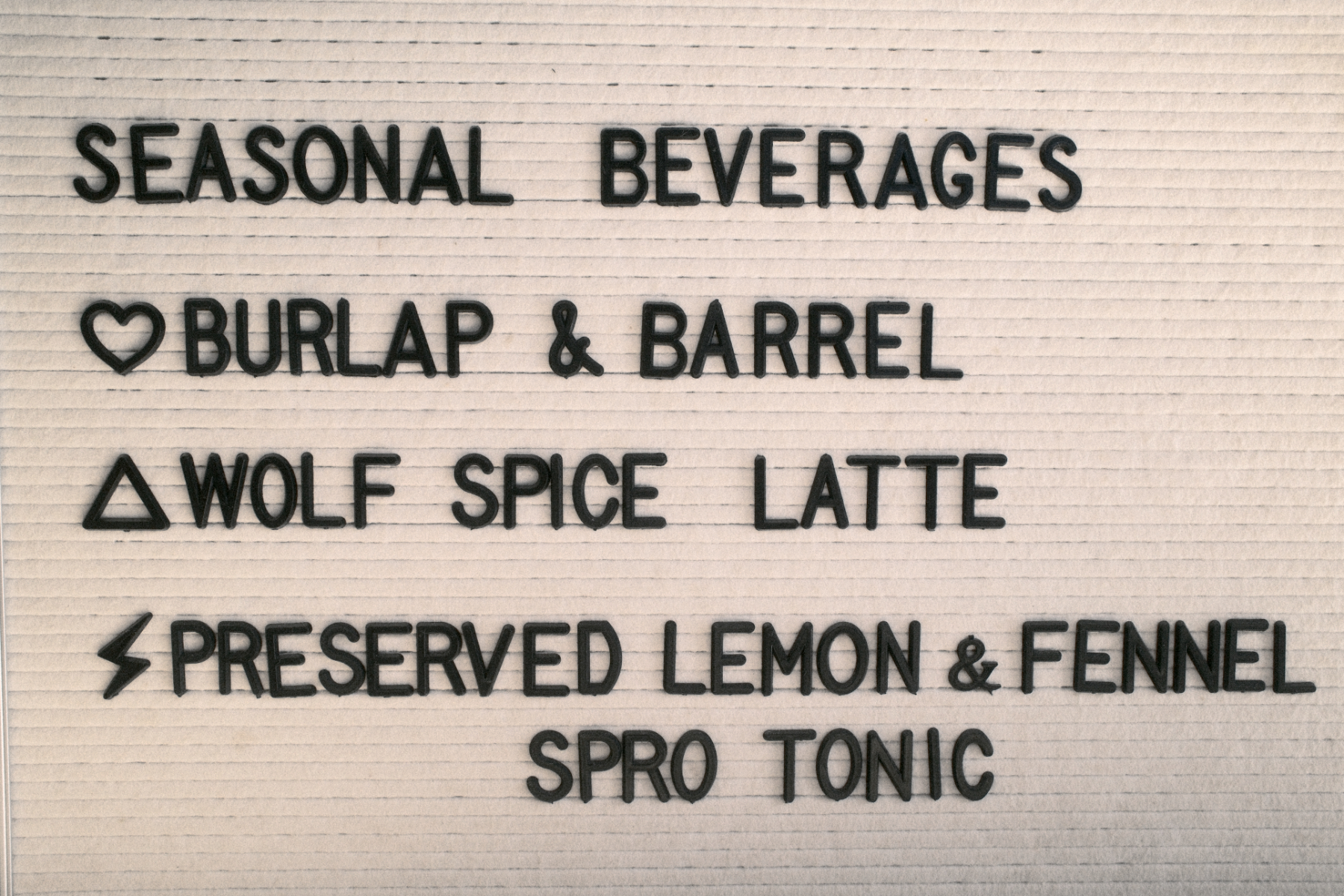
We have somewhere between three and five signature drinks on the menu at a time. And it’s a symbiotic thing with our team. Some of the folks who work in the front of house at Loba don’t have any coffee or food or beverage experience at all, which I know might sound crazy, especially if you are coming from the perspective of specialty coffee, but to be honest with you we think it’s a good thing. I think it’s a misplay to require everyone to have this same level of experience or preparedness, because that means you’re missing out on different perspectives and ways of thinking and contributing. If everyone has the same experience, how do you expect to have creativity or think outside the box?
I’m not the only person making the menu here. I direct that program, but if someone on the team says, like, “hey, can we make a caramel out of the leftover whey from the cheese we just made?” then I say “yes, let’s figure out how to do this awesome idea.”
The farmers market driven approach to coffee drinks—and the way this plays off of the pastry program—is all intensely fascinating to me. I’m surprised I haven’t had more conversations like this, to be honest, and very refreshing. This must lend itself naturally to seasonality being at the forefront of your program, right?
Yes, 100%. I am always going back to the restaurant-of-it-all, and the science-of-it-all, because our menu has things that change every month, and also things that change every season. We have regulars who live in our neighborhood, Roscoe Village, and they come in every day, so they’re going to see these micro-changes along the way. But we have other guests who might come once in June, and then again in August, and they’ll see even bigger shifts and changes, just as there’s a bigger shift in the seasons themselves over a longer period of time.
Let’s talk about fall specifically. How does Loba play with fall flavors? And what is your take on the Pumpkin Spice Latte—do you engage with it? Do you reject it? Everyone has an opinion on the PSL, so what is your PSL truth?
It’s funny. I talk to my team about this a lot, and I’m glad to hear that someone else is interested in trying to understand the role this drink plays for coffee programs right now. It is a highly contentious topic! People in the coffee industry, we hate it, we love it, we should use it as a tool—everyone has validity!
From my perspective, and the perspective of Loba, I really think it comes back to identity. What is your coffee shop doing? What is your initiative? What is your ethos? For us, it is about using seasonal ingredients and fun techniques, and never forgetting the classics nor who we are and where we came from. Valeria has a background in French pastry, and also a background in being a woman who immigrated to Chicago from Mexico. And similarly I also have an incredibly mixed background, which is long and crazy, and I won’t get into all that here. But the point is: who are you? Who are you as a business? And how can you translate that into what you make and what you do? From the beverage side, we really internalize that, and we try to make drinks that ring true to us.
When it comes to the PSL, well…personally? If I go to a coffee shop I order a black coffee. That’s what I like. But I can see why someone would enjoy a PSL. And when it comes to Loba, we have things on the menu that reflect who we are, but also we want to make drinks that are approachable and engaging for people, no matter who they are.
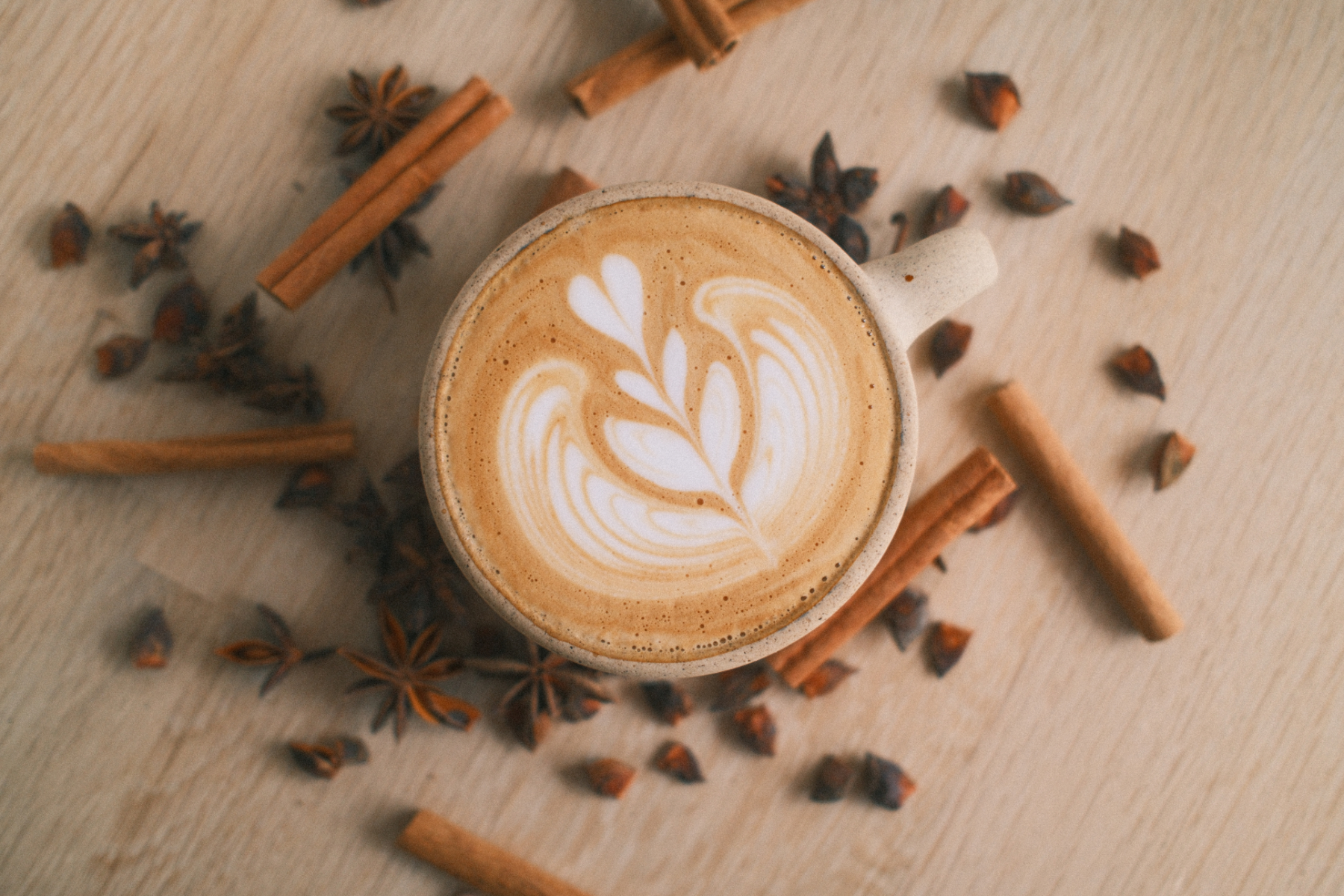
And so seasonally we have a drink that we call a “Wolf Spice Latte” which is a play on the name of the shop, Loba, which means wolf in Spanish. It’s a blend of warming spices that gets hyper concentrated into a syrup, which is almost adjacent to like a Meixcan café de olla. I wouldn’t say it’s pumpkin spice—it has no pumpkin in it—but I will say it evokes the culinary moment of fall, and uses a fall culinary technique of implementing spices and warming to amp up flavor. It also lets us express a tinge of our identity at Loba.
This drink, the Wolf Spice Latte, has been our answer in fall time to the idea of a PSL. It lets us reply to someone who is asking for this style of drink with an option that is a little different, and allows us to do talk about how this syrup reflects a distinct place and tradition. When someone asks for a PSL in the fall, I never want our answer to be “what the hell”—instead, our answer is to explain that while we don’t have a traditional one at our coffee shop, we do have this distinct take on a warm spice latte, and it’s become one of our true staple drinks every autumn season. It’s warming and awesome, and it has round fall sweetness and spice, and people really love drinking them.
Loba Coffee + Pastry is located in Chicago. Visit their official website and follow them on Instagram for more information.