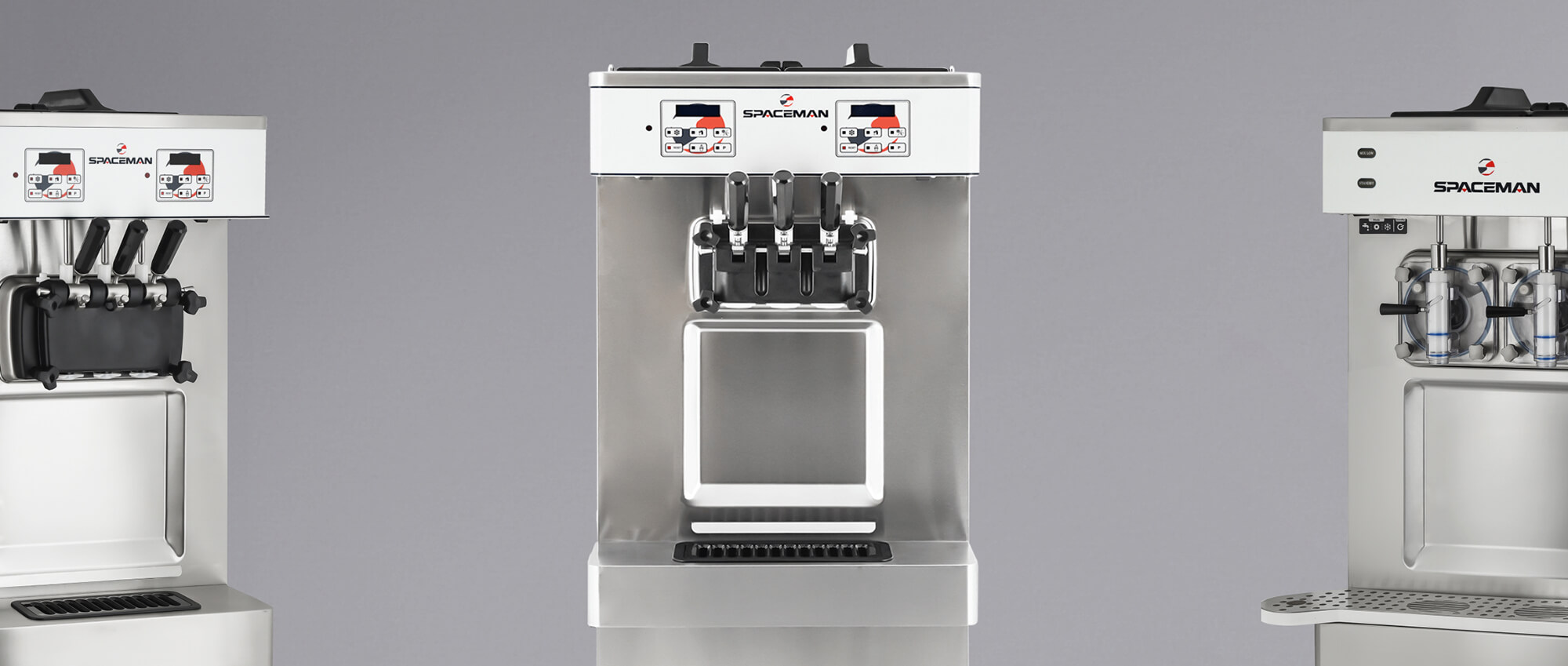
Spaceman USA is a soft-serve and frozen-beverage equipment company founded by aerospace engineers. They developed a unique and patented freezing technology that helps their equipment perform at the top of its category, and they also developed a countertop model that makes soft serve an easy addition for cafés. Their machines are used by Onyx Coffee Lab as well as Day Made Kaffe Bar, and with such a great pedigree, we knew we wanted to talk with Brittany Skulski of Spaceman to learn more about how their soft serve machines can be incorporated into coffee bars.
What makes soft serve ice cream a great vehicle for an affogato?
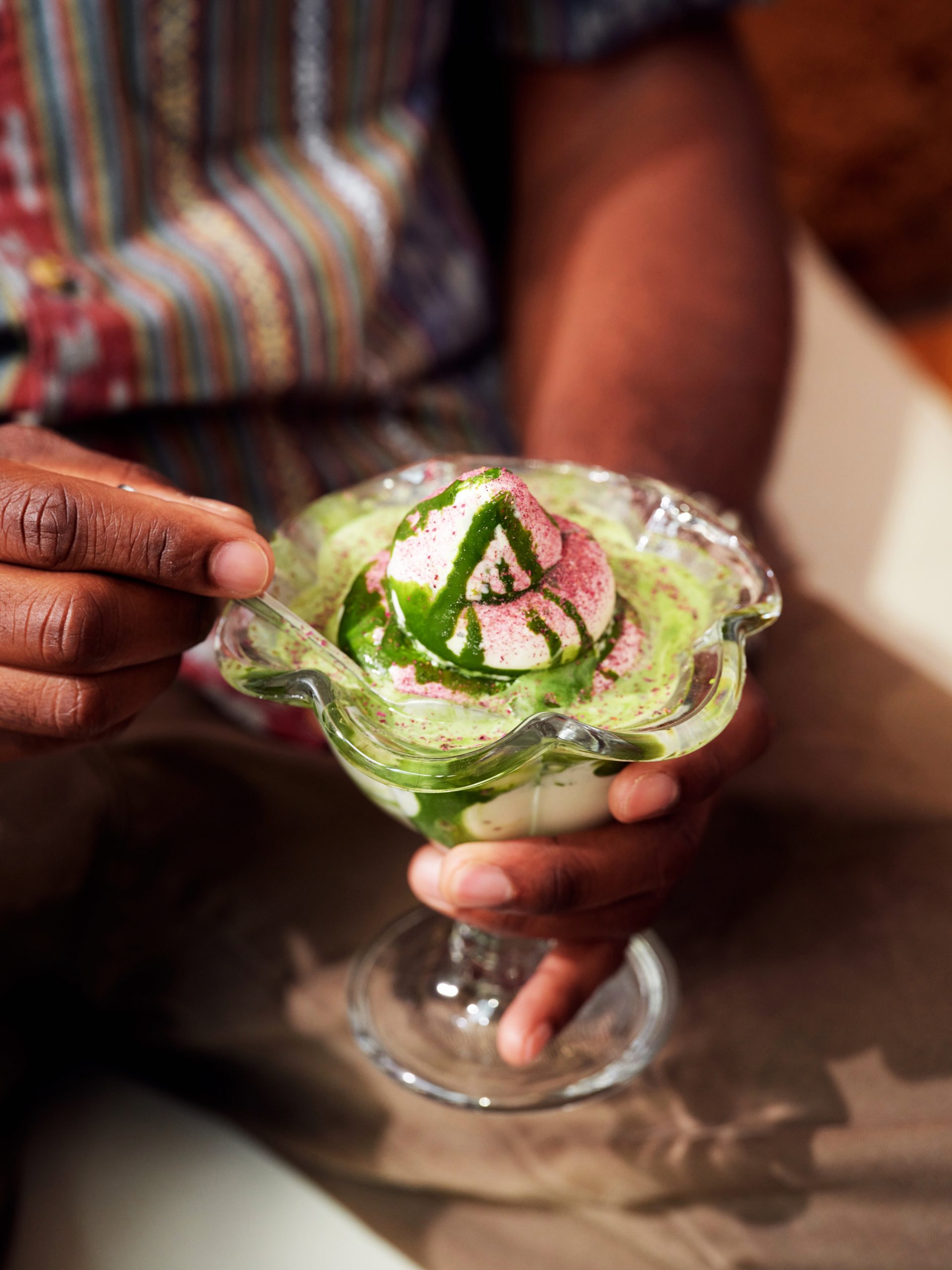
Soft serve works really well for an affogato because it takes something simple and turns it into a more complete café dessert without complicating the process. You still get the contrast of hot espresso and cold dairy, but soft serve adds better texture, better presentation, and a more consistent customer experience.
It also melts into the espresso well. It softens enough to become rich and creamy, but still holds enough structure to feel like more than a drink. For a café, that is a good fit. It uses the coffee program as its foundation and adds an easy-to-execute dessert element.
The quality of the base product is important. If a café is known for good coffee, good milk, and high-quality ingredients, the soft serve should match that same standard. A great espresso over a low-quality base will not feel right. A good base product makes the affogato feel like it belongs in the café, not like an unrelated add-on.
What are some things to consider when planning on adding a soft serve machine to a café?
The first things to think through are space, power, traffic flow, product storage, cleaning, staff training, and menu fit. A soft-serve machine can be a valuable addition to a café, but it needs to be integrated into the operation. It should not be squeezed into a corner and figured out later.
Sizing is one of the biggest things to get right. A café should have realistic expectations around serving size, servings per hour, and servings during the busiest rush. Daily volume is useful, but peak demand is usually more important. If the machine is too small, the café can run into slow recovery, poor product quality, and frustration during busy periods. If the machine is too large, the café may end up with more product in the machine than it needs, leading to waste and product quality issues.
The product itself also needs to be planned. Soft-serve mix is not the same as a batch-freezer ice cream mix. It needs to be designed to remain stable during freezing, agitation, dispensing, and machine holding. Most cafés are best served by starting with a commercially available mix designed for soft-serve machines. Custom products can work, but they take more time, testing, patience, and maintenance.
A café also needs enough refrigerated storage for the mix. Product should be stored cold, thawed correctly if it arrives frozen, mixed or shaken before being poured into the machine, and kept free of ice chunks, particulates, or unmixed powder. The machine is not designed to mix the product for you. The hopper agitator helps maintain product, but it is not a blender.
What are the biggest hurdles in adding new equipment to a café, and what recommendations does Spaceman have for making the process easier?
The biggest hurdles are usually space, utilities, staff training, cleaning discipline, and setting the right expectations before the machine is sold or installed. Cafés are already tight operations. Adding equipment without a good plan can create problems unrelated to the machine itself.
Our recommendation is to slow down before selling anything and spend real time understanding the application. Taking 90 minutes before the sale to walk through the menu, expected volume, serving sizes, peak demand, electrical requirements, location, cleaning process, product storage, and staff training can prevent many issues later.
It also helps to have one dedicated manager, cleaner, or lead employee who becomes proficient with the machine. Soft serve is not difficult, but it does require consistency. When everyone is responsible, no one is. The best operators usually have one person who understands the machine, watches the cleaning process, knows when parts need to be replaced, and trains the rest of the team.
The other recommendation is to start simple. Don’t launch with ten ideas, multiple custom products, rotating flavors, and a staff that has not yet learned the machine. Start with a good product, a few strong menu items, and a repeatable process. Once the team is confident, then build from there.
What are some things to consider to preserve the lifespan of a Spaceman soft serve machine?
The best way to protect a Spaceman machine is to stay consistent with the basics. Clean it properly, fully disassemble it on schedule, brush clean the parts that need cleaning, lubricate the correct components, replace wearable parts before they fail, and pay attention to small changes in performance.
Routine full brush cleaning and proper disassembly are two of the most important habits. Rinsing the machine at night is not the same as cleaning it. Sanitizer or water running through the machine does not replace the need to remove the door, beater, scraper blades, drive shaft, gaskets, seals, air tubes, and other food-contact parts that need to be cleaned by hand according to the manual.
Cleaning is also one of the best ways to keep the product in good condition. Poor cleaning can lead to freeze-ups, inconsistent texture, off flavors, leaks, and unnecessary service calls. A soft serve machine is constantly holding, freezing, agitating, and dispensing a dairy or dairy-like product. It will only perform as well as the daily process around it.
Product handling is just as important. Mix should be pre-chilled, fully thawed if frozen, thoroughly blended or shaken, and free of particulates before going into the machine. Do not run the machine low on mix. Do not ignore low-mix indicators. Do not use the hopper as a mixing container. Many machine problems start with a product that was not prepared correctly before it was poured.
Wearable parts should also be replaced on a schedule. O-rings, seals, gaskets, scraper blades, and other tune-up parts are designed to wear. Waiting until they fail usually costs more than replacing them on time. Keeping the condenser clean and giving the machine enough room to breathe also helps with recovery time, consistency, and long-term reliability.
What are some ways you’ve seen a café successfully integrate soft serve ice cream into its menu?
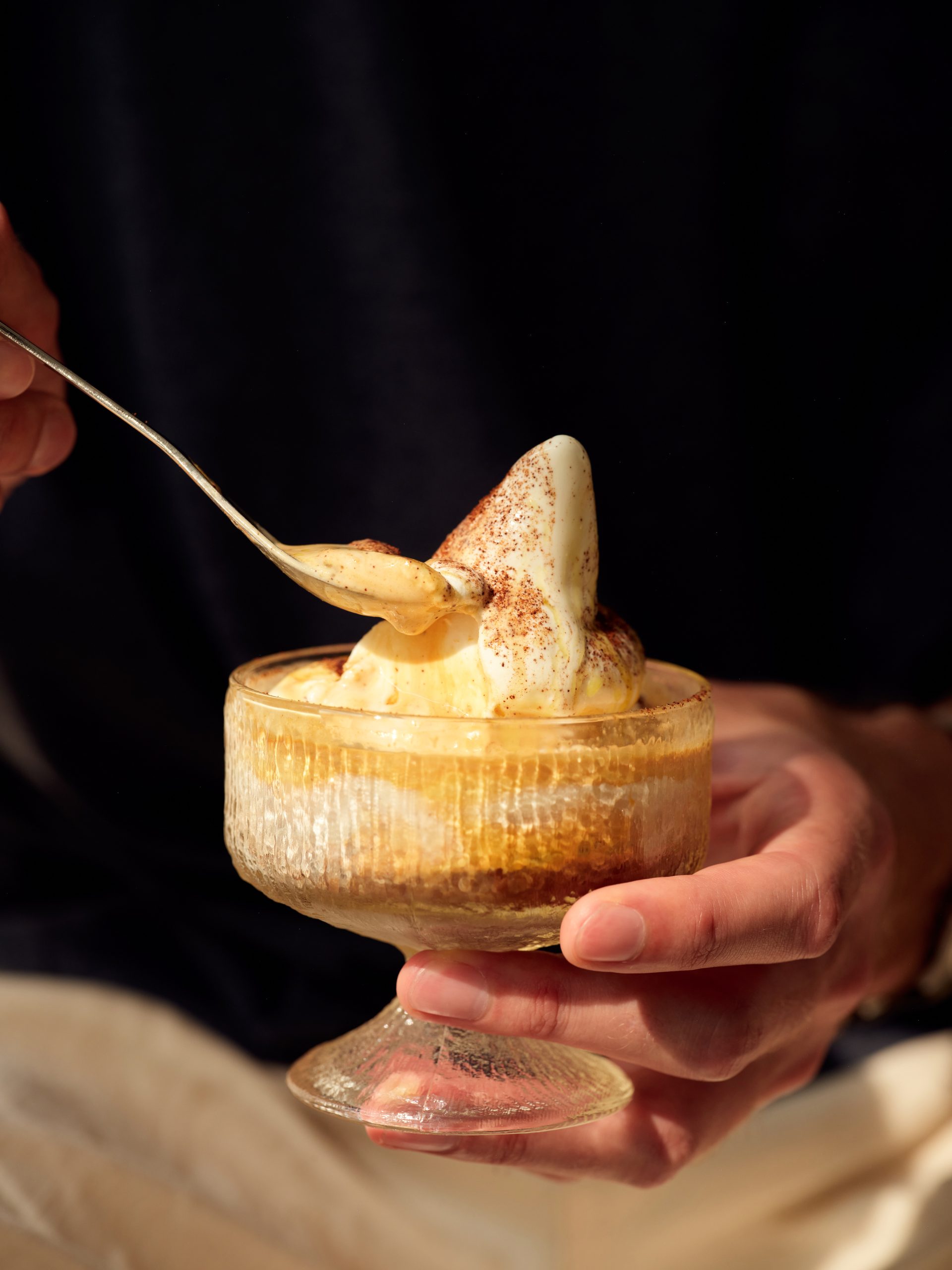
The cafés that do this well make soft serve feel like part of the coffee program, not a random ice cream add-on. Affogatos are the most obvious fit, but there are many good ways to build around them.
Soft serve can work with espresso, cold brew concentrate, house-made syrups, pastries, cookies, cakes, seasonal toppings, or simple café flavors that customers already understand. A vanilla soft serve with great espresso can be a stronger product than a complicated flavor that is hard to execute every day.
The best approach is usually to create a small menu that is easy to train, easy to price, and easy to repeat. A café might start with a classic affogato, a seasonal affogato, and one soft serve dessert using an existing syrup or bakery item. That gives the café something new without overwhelming the staff.
Soft serve can also help with daypart expansion. A café may be busy in the morning, but softer in the afternoon or evening. A strong soft serve program can give customers a reason to come back later in the day.
What are some ways cafés have gotten creative with flavor profiles in a Spaceman machine before?
Cafés can get creative, but the product still needs to be stable and machine-friendly. Coffee, vanilla, chocolate, matcha, chai, horchata, maple, brown sugar, cereal milk, toasted marshmallow, and seasonal fruit profiles can all work when the mix is built correctly.
The key is understanding that not every good flavor idea belongs directly in the machine. Products with chunks, solids, particulates, unmixed powders, or unstable custom recipes can create problems. Soft serve machines are not designed for hard-scoop ice cream, large candy pieces, or products that have not been properly formulated for soft serve.
A good way to be creative is to keep the base stable and add creativity around it. Use espresso, syrups, sauces, toppings, bakery items, or seasonal garnishes outside the machine. That gives the café flexibility without creating unnecessary operational problems.
Custom bases can work, including dairy-free or specialty products, but they need testing. Sugar, fat, stabilizers, solids, and Brix level all affect how the machine freezes and dispenses. If a café wants to develop a custom product, it should first learn the machine with a known commercial soft serve mix. That gives the team a baseline before troubleshooting a custom recipe.
What else do you think people should know about soft serve ice cream machines?
People should know that a soft serve machine is not just an ice cream machine. It is a small production system. The machine, product, storage, cleaning routine, staff training, serving volume, and menu all work together.
Soft serve machines are designed for continuous operation. They maintain product temperature, hardness, and overrun throughout the day, even when the product is not being dispensed. During slow periods, the product can degrade because it is being held, frozen, agitated, and refrozen over time. That is why usage patterns, proper standby procedures, and sometimes dispensing a small amount of product after long idle periods can help bring the product back to the right texture.
It is also important to set expectations correctly. Soft serve is not hard to operate, but it is not a plug-in appliance that can be ignored. It needs a trained person, a cleaning schedule, a good product, proper cold storage, and a realistic machine size for the application.
When a café gets those things right, soft serve can be a very practical and profitable addition. It can create high-margin desserts, improve afternoon and evening sales, give customers something they cannot easily make at home, and add a product that photographs well without creating a complicated kitchen process.
For more information, you can visit Spaceman USA at their website.